Where it began
Rum traces back to sugar production, where molasses could be fermented and distilled into a powerful new spirit.
Rum has traveled a long route: born in the Caribbean, carried across oceans, mixed into culture, and reinvented in cocktails. This page highlights the key eras that shaped rum into the spirit we know today.
Rum traces back to sugar production, where molasses could be fermented and distilled into a powerful new spirit.
Distillation methods and aging traditions widened rum’s range, from light and crisp to rich and bold.
Sailors, trade routes, and cocktail culture helped rum travel the world and become a bar staple.
Five moments that shaped rum’s story, from its earliest roots to modern culture.
Rum emerged in the 17th century Caribbean. Molasses, a byproduct of sugar refining, could be fermented and distilled into alcohol. Early rum was often rough and went by names like “kill devil” or “rumbullion.”

Rum became deeply tied to seafaring. British sailors received daily rum rations known as the “tot.” Mixing it with water, sugar, and lime made it easier to drink and helped reduce scurvy risk, setting up the early foundations of punch-style drinks.
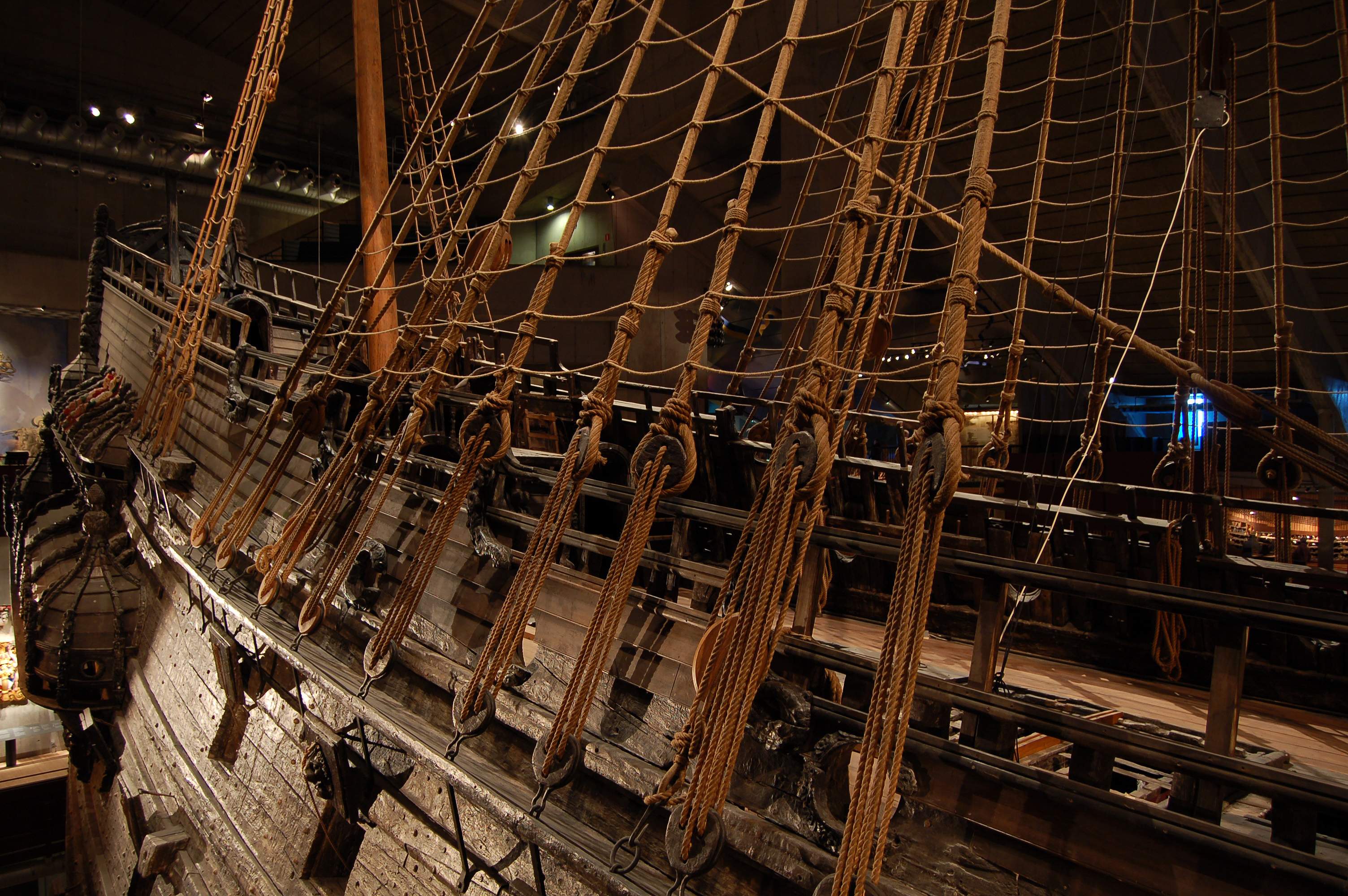
The classic pirate and rum pairing grew from the same Caribbean waters where sugar trade, privateers, and buccaneers crossed paths. Rum became a symbol of rebellion, risk, and celebration, and that legend stuck.

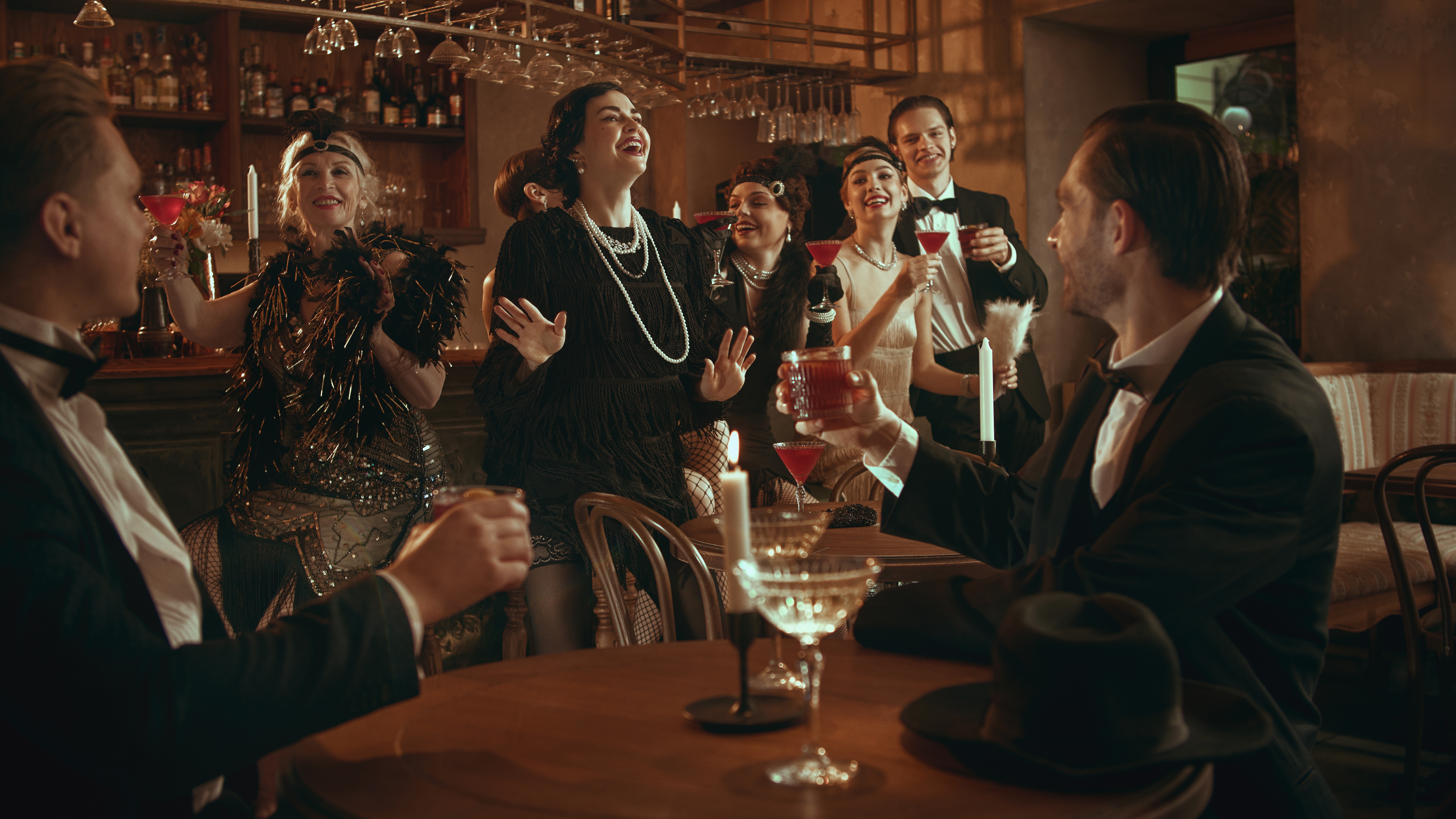
During U.S. Prohibition, rum surged in underground bars. Smuggled Caribbean rum powered classic cocktails and pushed rum from shipboard staple to a refined, mixology-friendly spirit.
In the 20th century, large-scale production and new still designs helped create lighter, smoother rums, while aging and blending traditions expanded premium styles. Today, rum reflects both heritage and innovation.
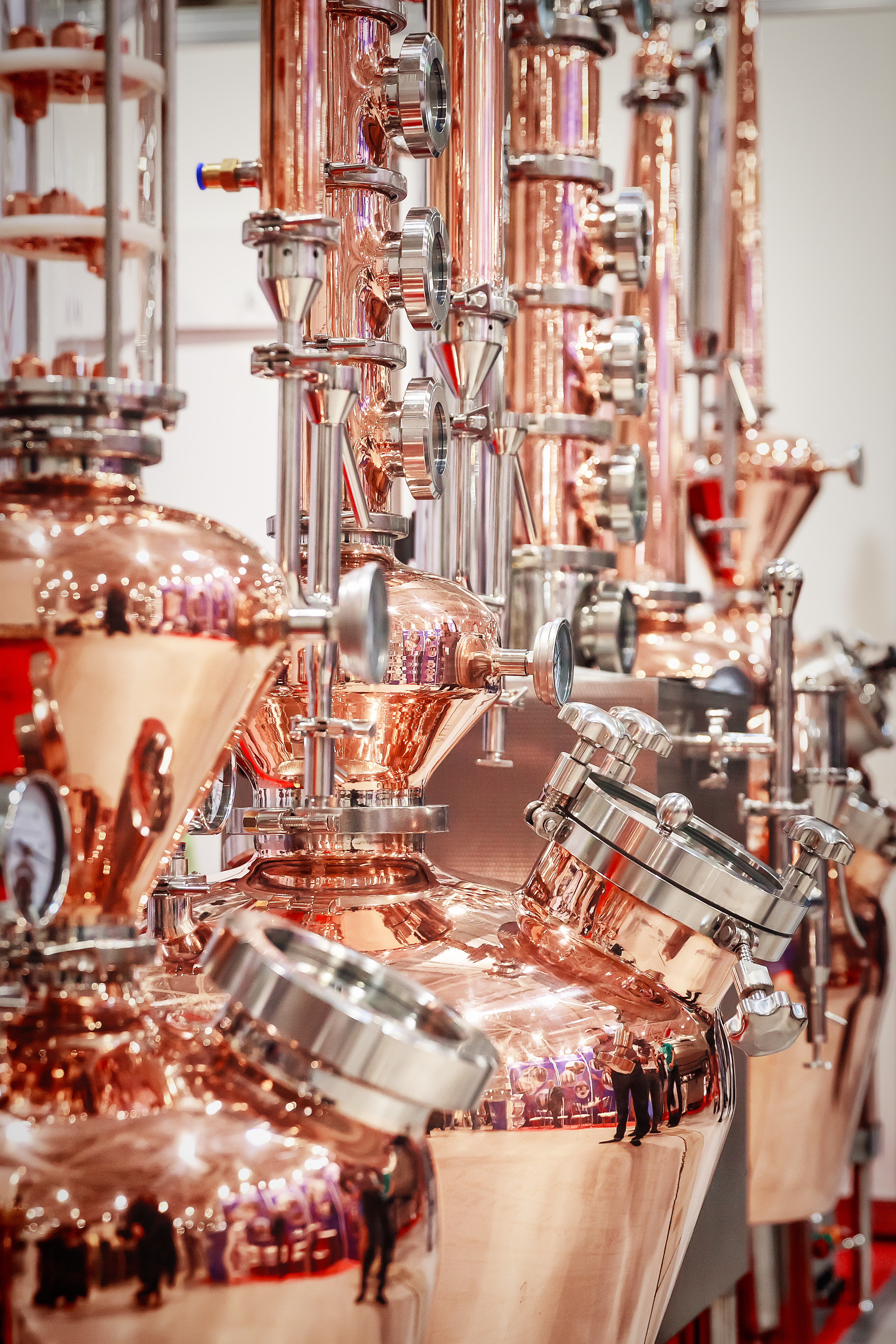
From cane to copper to time in wood, each step shapes what you smell, taste, and remember.
Sugarcane is harvested, then juice or molasses becomes the base.
Yeast converts sugar to alcohol and creates early flavor.
Copper stills refine the spirit and concentrate character.
Time and blending choices shape smoothness, color, and depth.
Rum is more than a flavor. It’s a story of craft, travel, and culture. Every era left something behind: cane sweetness, sea traditions, daring legends, and cocktail creativity.
Rum shows how people, places, and traditions blend over time.
Fermentation, distillation, and aging choices shape the final spirit.
The pirate myth is fun, but it comes from real trade and sea life.
Parley is built on the same spirit of freedom and adventure that made rum iconic. Whether you sip it neat or mix it, you’re stepping into a tradition that’s traveled across oceans and generations.